23 November 2026
Commercial Door Troubles That Keep Customers Waiting
Presented by @thekeywiseliving
Why your storefront door might be costing you business
When your commercial door stops working properly, the effect is immediate. A door that sticks, won't latch, or fails to open smoothly can turn a routine business day into a frustrating experience for both staff and customers. For businesses in Vaughan, Ontario, where storefronts often see heavy foot traffic, even a minor door issue can disrupt opening hours and reduce revenue.
Many of these problems are more common than business owners realise. They often start small - a lock that feels stiff, a handle that wobbles - and grow into something that forces you to close early or call for emergency help. Understanding what typically goes wrong and how to address it can save you time, money, and the hassle of unexpected closures.
Sticking or binding doors
A door that drags on the floor or rubs against the frame is one of the most frequent complaints. This can happen for several reasons. Changes in weather cause wood and metal to expand and contract. A door that worked perfectly in summer may stick badly in winter. Over time, hinges can loosen or shift, throwing the door out of alignment. On heavy commercial doors, settling of the building foundation can also cause the frame to become slightly out of square.
What you notice: the door requires extra effort to open or close, it scrapes, or it won't sit flush in the frame. If the problem is minor, tightening hinge screws or adding a shim might help. For more serious misalignment, the door may need to be planed or the frame adjusted - a job best handled by a qualified professional. Leaving a sticking door unchecked can damage the latch, the hinges, and eventually the door itself.
Malfunctioning panic bars or push pads
Panic bars are a critical safety feature on most commercial exits. They are designed to release the latch with a simple push, letting people exit quickly in an emergency. But these mechanisms see constant use, and they can wear out. A panic bar that sticks, rattles, or fails to retract the latch fully is a real problem. It can prevent the door from closing and locking properly, which compromises security and can leave your building non-compliant with fire codes.
Common issues include misalignment of the latch mechanism, worn springs, or debris building up inside the bar. Regular inspection and cleaning can help, but if the bar is damaged or the mechanism is faulty, replacement is often the most reliable fix. A locksmith who works with commercial hardware can diagnose the issue and ensure the new bar meets local safety standards.
Lock cylinder wear and key sticking
Locks on commercial doors get used dozens of times a day. Over months and years, the pins and springs inside the cylinder wear down. Keys start to stick, requiring a jiggle to turn. Eventually, a key may go in but not turn at all, or it may turn but fail to retract the bolt. This is especially common with lever locks, where the constant turning motion puts stress on the cylinder.
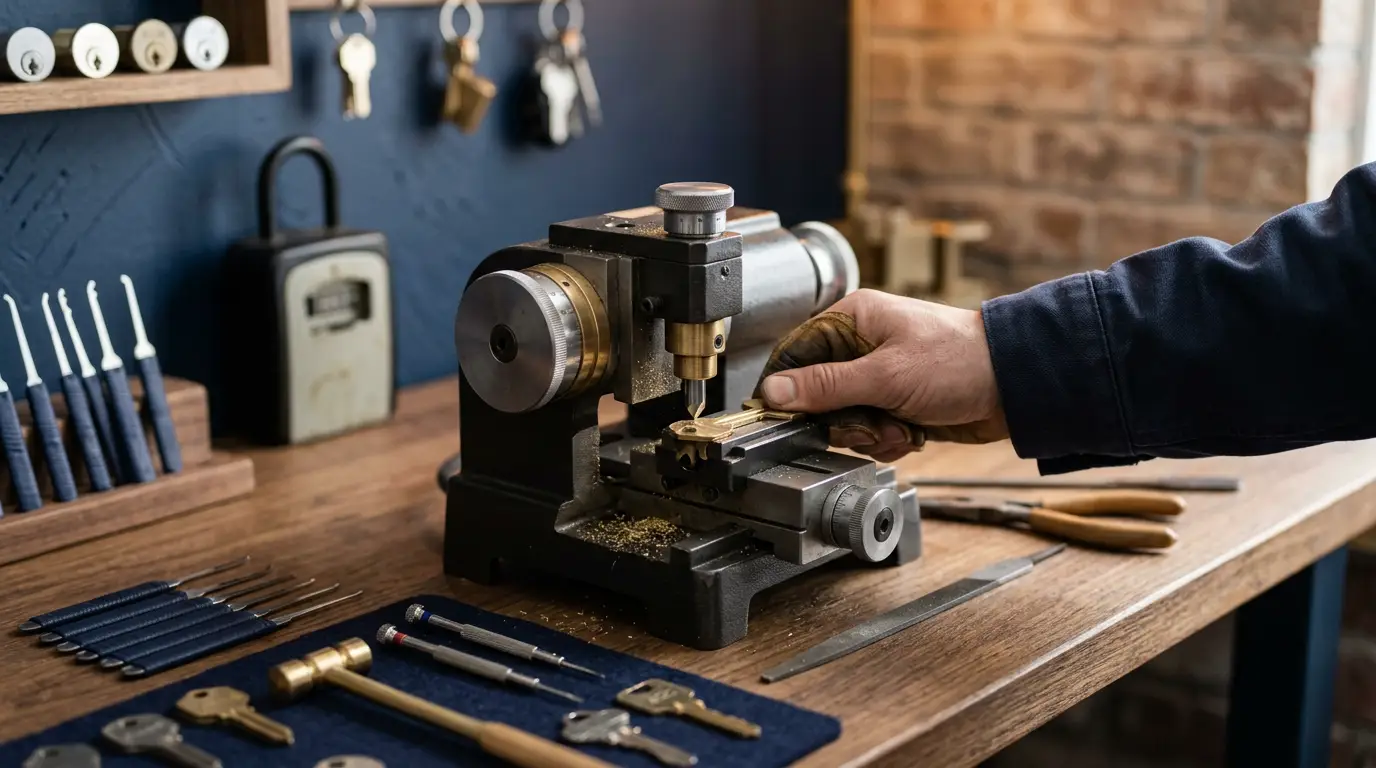
If you have a master key system, worn cylinders can also cause keys that used to work to suddenly stop. The solution is usually to rekey the cylinder - replacing the pins and springs so that it works smoothly again with the same key. Rekeying is faster and cheaper than replacing the entire lock, and it restores reliable operation. For businesses with high employee turnover, rekeying also allows you to update who has access without changing all the hardware.
This is where the concept of business lock rekeying becomes relevant. If you manage a storefront or office, you likely have several locks that need to work together. When one cylinder wears out or a key is lost, rekeying brings everything back into alignment. A qualified service like locksmithvaughanontario.com can rekey your cylinders on site, minimising downtime and keeping your doors operational.
Latch and bolt alignment issues
The latch or deadbolt on a commercial door needs to line up perfectly with the strike plate in the frame. If the door has shifted even slightly, the bolt may hit the edge of the strike plate instead of sliding into the hole. You might notice that you have to lift the door or push it hard to get the lock to engage. Over time, this repeated force can damage the bolt, the strike plate, or the lock mechanism itself.
Sometimes the fix is as simple as adjusting the strike plate position. Other times, the door needs to be re-hung or the frame repaired. Ignoring a misaligned latch can lead to a lock that fails entirely, leaving your business unable to secure the door at closing time.
Door closer problems
Commercial doors almost always have a door closer - the hydraulic arm that pulls the door shut after someone passes through. When the closer fails, the door may slam, stay open, or close too slowly. A door that doesn't close fully is a security risk and can let in weather, pests, and noise. A door that slams can damage the frame, the lock, and the closer itself.
Door closers are adjustable, and many problems can be fixed by tweaking the hydraulic valves. But if the closer is leaking fluid or the arm is bent, replacement is the best option. A professional can match the closer to the door weight and usage pattern, which extends its life and keeps the door operating smoothly.
Key control and security after employee turnover
One of the less obvious but equally disruptive door problems is losing control over who has keys. In a busy commercial setting, employees come and go. Keys get lost, copied without authorisation, or handed off to someone who no longer works there. If you don't know who can access your building after hours, you have a security problem that could eventually lead to theft or vandalism.
This is where a master key system and a key register become valuable. A master key system lets you have one key that opens all locks, while each employee gets a key that opens only the doors they need. A key register tracks who has which key and when it was issued. If a key is lost or an employee leaves, you can rekey the affected cylinders quickly. Rekeying is far more practical than replacing all the locks, and it restores your control over access.
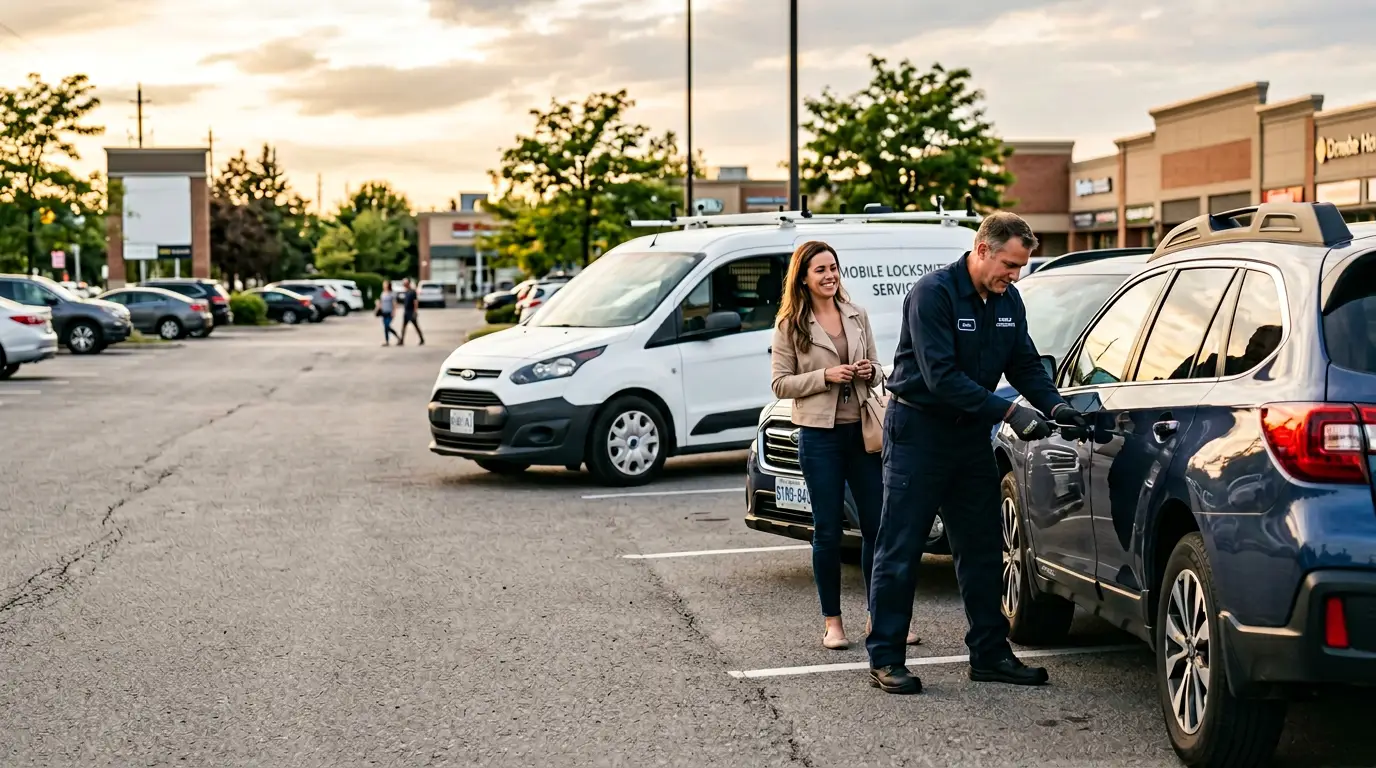
Many business owners in Vaughan find that a single visit from a mobile locksmith can address multiple door issues at once. A technician can rekey worn cylinders, adjust a sticking door, and check the panic bar function in one trip. Services like locksmithvaughanontario.com are familiar with common commercial door hardware and can often resolve problems on the spot, keeping your opening hours on track.
When to call a professional
Some door problems are simple to fix. Tightening a loose hinge screw or lubricating a lock with a silicone spray can solve minor issues. But if you notice any of the following, it's time to call a locksmith who works with commercial doors:
- The door won't latch or lock at all.
- A key breaks off in the lock.
- The panic bar sticks or makes noise.
- The door closer leaks or doesn't control the door properly.
- You need to rekey after losing a key or changing staff.
Attempting to force a stuck lock or misaligned door can cause more damage. A professional can diagnose the root cause and fix it correctly the first time, saving you from repeat issues and emergency calls later.
Keeping your commercial doors in good working order is not just about convenience - it affects your bottom line. A door that opens and closes reliably every day lets you serve customers without interruption. When problems do arise, understanding what they mean and knowing whom to call helps you resolve them quickly and keep your business running.